
Weathering steel is a family of low-alloy steels designed to develop a denser, more adherent oxide layer during suitable atmospheric exposure. The surface still corrodes, while repeated wetting and drying can produce a patina that slows further metal loss.
The generic material name is weathering steel. COR-TEN® is a registered trademark of United States Steel Corporation. Engineering drawings and purchase orders should identify the applicable standard, complete grade, product form and required delivery condition.
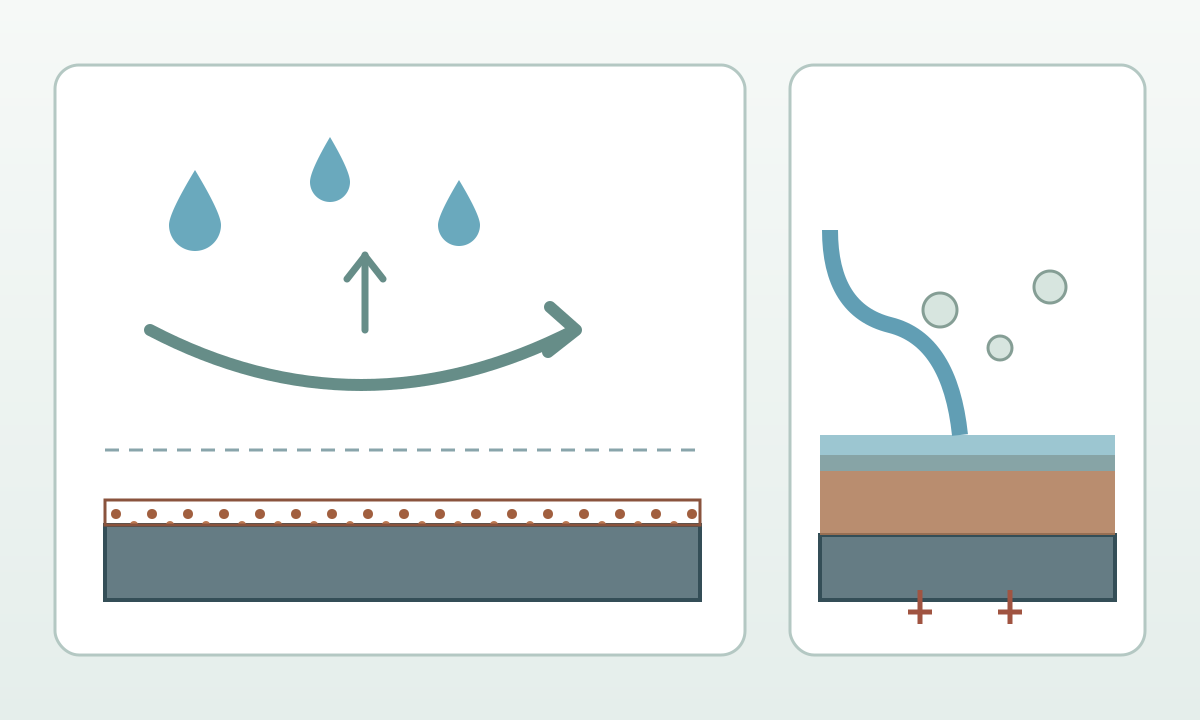
How the protective patina develops
Fresh weathering steel initially oxidizes like other uncoated steels. Alloying additions affect the corrosion products. Repeated wet/dry cycles can make the layer tighter and more adherent, reducing the rate at which oxygen and moisture reach the steel beneath it.
Patina development depends on the micro-environment. Orientation, sheltering, drainage, salt deposition, dirt accumulation and time all matter. Colour may move from orange-brown toward darker brown, but colour alone does not prove that the layer is stable.
ASTM G101 provides methods for estimating atmospheric corrosion resistance. Its estimates require care when applied to real structures, especially where wetness persists or salt and other corrosive contaminants accumulate.
Standards cover different products
| Specification | Typical scope | Verify |
|---|---|---|
| ASTM A588/A588M | Structural shapes, plates and bars | Grade, thickness, properties and supplementary requirements |
| ASTM A242/A242M | Structural products within its stated scope | Product limits and current edition |
| ASTM A606/A606M | Sheet and strip | Type, product form, thickness and properties |
| EN 10025-5 | Hot-rolled structural weathering steels | Complete EN designation, quality and thickness |
| AS/NZS 3678 weathering grades | Plate products within the relevant framework | Grade suffix, impact option, thickness and availability |
Scroll within the table to see all columns →
These systems do not create automatic one-to-one equivalents. Check chemistry, thickness limits, toughness, testing, product form and certification. For broader ordering context see How to Specify Steel Sheet and Coil Correctly and the standards reference .
Where bare weathering steel works well
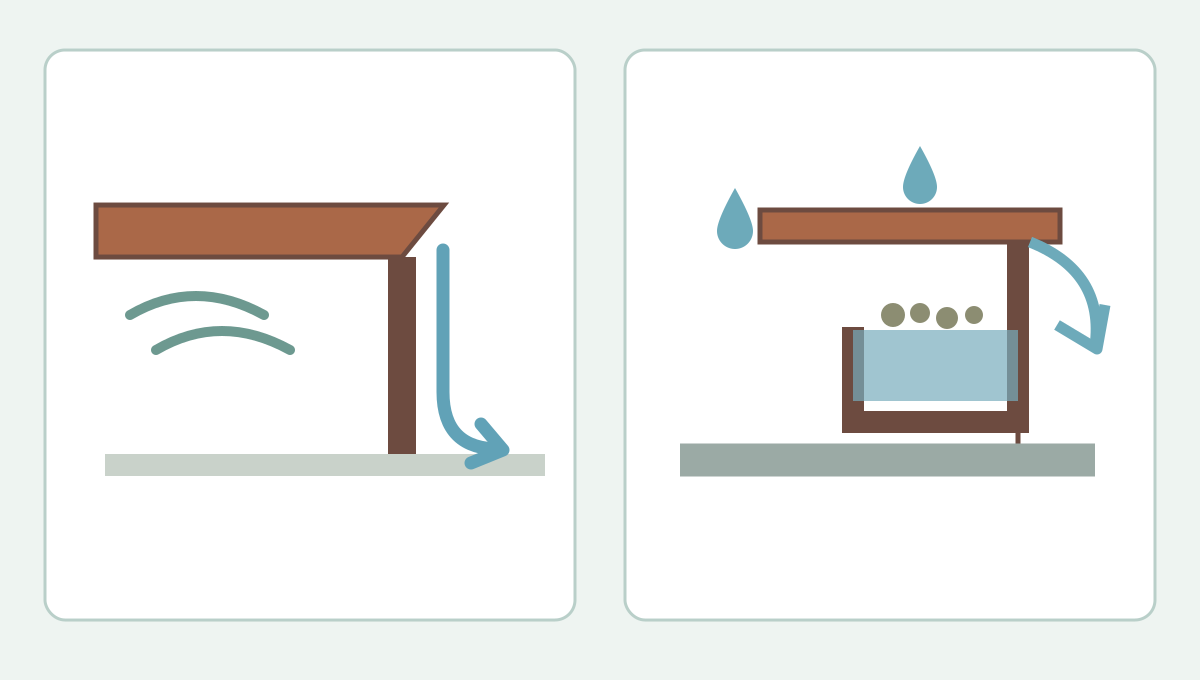
Bare weathering steel is most predictable where exposed surfaces drain and dry. Favor regular wet/dry cycling, open drainage, limited chloride deposition, low debris retention and access for inspection.
Weathering steel can also be coated when the project requires a conventional protection system. Compare broader outdoor options in How to Choose Steel for Outdoor Use .
Conditions that need caution
Risk increases with standing water, continuously damp sheltered zones, frequent salt spray, deicing-salt runoff, soil or vegetation contact, moisture-retaining debris and aggressive industrial contamination. Coastal projects require a site-specific corrosion assessment; see How to Choose Steel for Coastal Environments .
Detailing affects durability and appearance
Drainage and ventilation should be designed at connections and surfaces. Water can collect behind plates, on ledges, in crevices and at blocked drains. Early rust-coloured runoff can stain concrete, stone and light finishes, so drip paths and separation may be needed.
Patina colour varies with orientation, sheltering and local wetting. Where appearance is critical, define an approved sample, pre-weathering method or coating strategy.
Welding, inspection and specification
Welding, cutting and forming procedures must match the actual grade, thickness, joint and service condition. ASTM A588/A588M calls for a welding procedure suitable for the grade and intended use. Select filler metal and a qualified WPS for required strength and toughness.
Inspect for persistent wetness, blocked drainage, heavy salt or dirt, thick flaky rust, localized corrosion and unexpected section loss. Restore drainage and remove moisture-retaining deposits when found.
A design or purchase package should record the product standard, complete grade, product form, dimensions, thickness, required mechanical properties, surface strategy, environmental exposure, drainage controls, welding/connection requirements, material certificate, appearance expectations and maintenance access.