
Outdoor steel selection starts with the exposure. Rain, condensation, salt deposition, industrial contaminants, shelter, drainage and maintenance can change corrosion performance more than a familiar grade name alone.
Choose the material and the protection system together. Carbon steel with a qualified paint system, galvanized steel, duplex zinc-plus-paint systems, stainless steel and weathering steel each have useful outdoor applications. Suitability depends on the actual site and on details such as cut edges, welds, crevices and water traps.
Quick selection framework
| Exposure / requirement | Useful starting options | Main checks |
|---|---|---|
| Low-salt exterior with good drainage | Painted carbon steel, galvanized steel, suitable prepainted sheet | Corrosivity, coating system, cut edges, maintenance interval |
| Frequent wetting or sheltered damp zones | Robust coating system, galvanizing or duplex protection | Time of wetness, drainage, crevices, inspection access |
| Coastal or deicing-salt exposure | Higher-resistance protective system or suitably selected stainless steel | Chloride deposition, wash-down, finish, crevice geometry, fasteners |
| Architectural exposed metal | Stainless steel, coated steel, galvanized or prepainted products | Appearance target, rain washing, cleaning, finish roughness |
| Uncoated weathering appearance | Weathering steel after site suitability is established | Wet/dry cycling, chloride contamination, shelter and drainage |
Scroll within the table to see all columns →
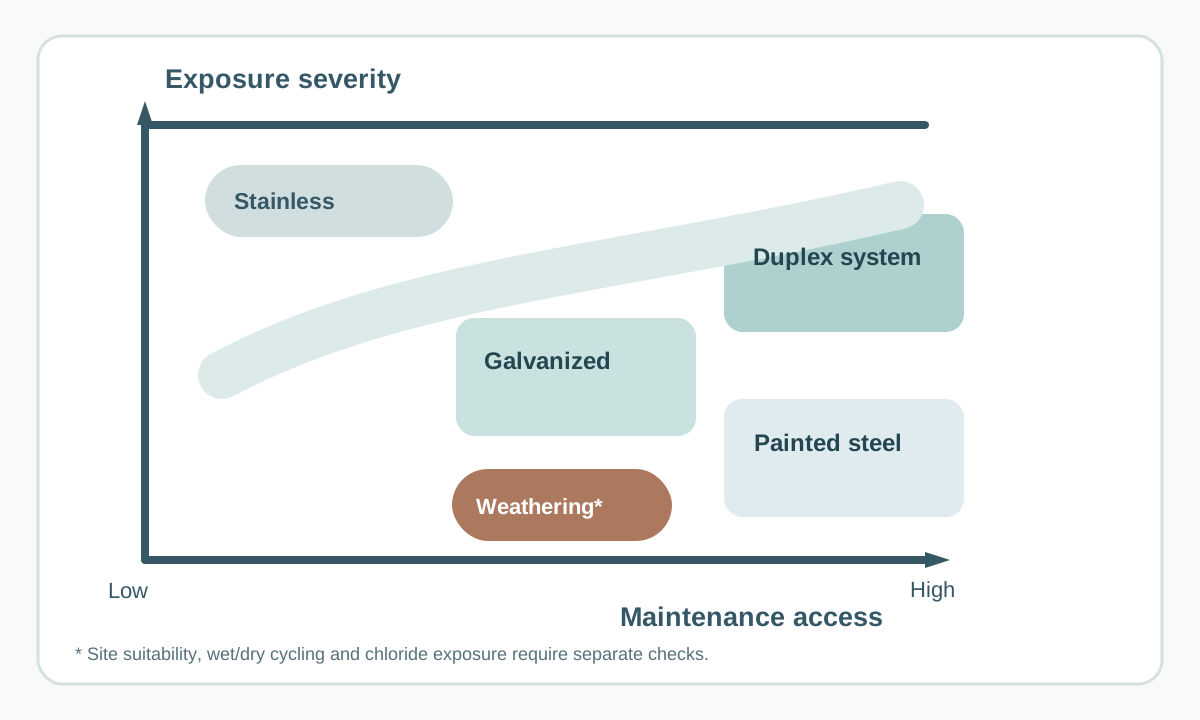
1. Define the exposure before choosing the grade
For atmospheric service, identify how often the surface becomes wet and how easily it dries. Check rain exposure, condensation, humidity, salt spray or road-salt deposition, industrial pollutants, dirt retention and shelter from natural washing.
ISO 12944-2 classifies atmospheric environments by corrosivity and treats environment classification as a key input to protective-system selection. A project should use the applicable standard, local exposure data and owner requirements instead of relying on broad labels such as “outdoor” or “coastal.”
Immersion, buried steel and continuously wet interfaces need a separate assessment. They should not be treated as ordinary atmospheric exposure.
2. Choose a corrosion-control strategy
Painted carbon steel
Paint systems allow broad control of appearance, repair method and protection level. System selection should match corrosivity, surface preparation, expected durability and the maintenance plan. ISO 12944-5 is one reference for selecting protective paint systems for steel structures within its scope.
Galvanized steel
Zinc provides barrier protection and sacrificial action. For fabricated articles, ISO 1461 and ASTM A123/A123M are common specification routes in their respective systems. Continuously coated sheet follows the applicable sheet-product standard. Coating mass, fabrication damage, edge exposure and the local environment all affect service performance.
Duplex systems
A compatible paint or powder coating over galvanized steel combines a zinc layer with an organic barrier. Surface preparation and coating compatibility need to be specified as one system.
Stainless steel
Stainless steel can reduce coating maintenance when the alloy, surface finish and detail design fit the exposure. Chlorides, crevices, rough finishes and sheltered deposits increase localized-corrosion risk. Exterior selection should consider salt exposure, pollution, natural washing, orientation and maintenance together.
Weathering steel
Weathering steel relies on formation of a protective corrosion product under suitable wet/dry cycling. FHWA guidance documents the risk of poor performance under high chloride deposition or prolonged wetness. Bare weathering steel therefore needs a site-specific suitability check.
3. Treat drainage and geometry as part of material selection
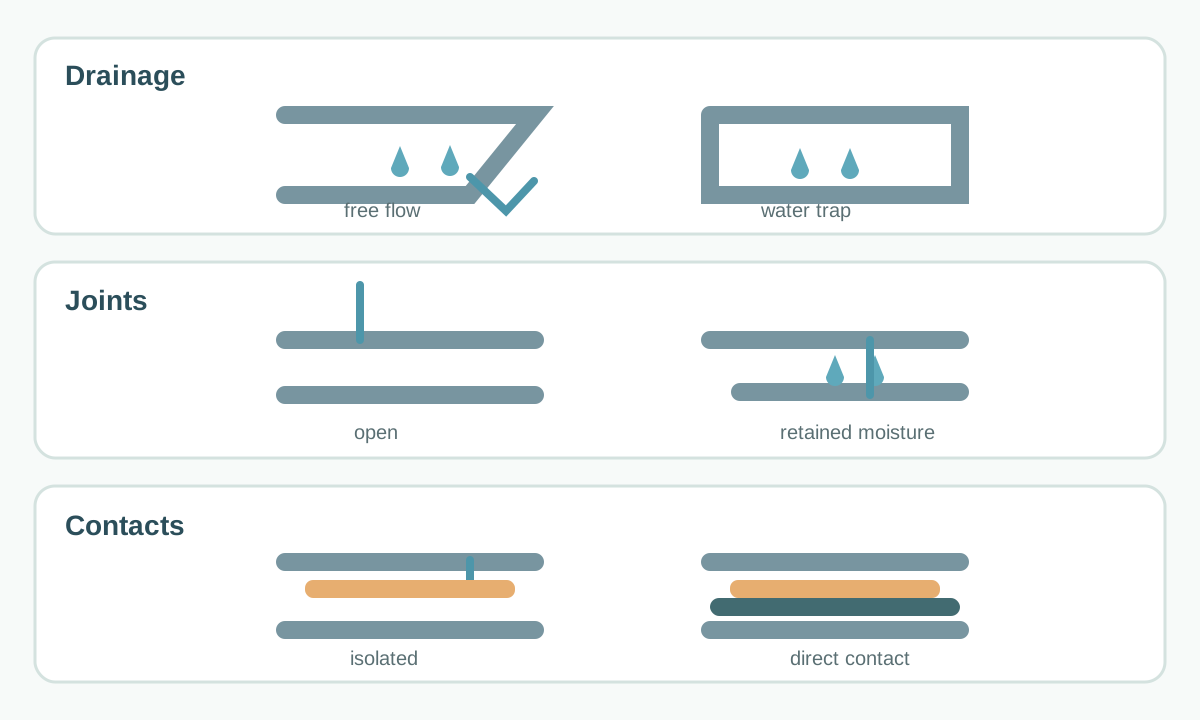
A strong material choice can be undermined by details that retain water and contaminants. Provide drainage paths, avoid pockets and ledges that trap water, limit crevices where chloride-bearing moisture can remain, and make critical joints accessible for inspection and cleaning.
Sheltered undersides, lap joints, fastener zones and contact points often dry more slowly than exposed faces. These locations deserve separate attention.
Dissimilar-metal contact also needs review. Electrical contact, electrolyte presence and the relative exposed areas can create galvanic-corrosion conditions. Use compatible fasteners, isolation details or an engineered protective system where required.
4. Include fabrication in the protection plan
Cutting, drilling, welding, forming and site installation can remove or damage protective layers. Specify how cut edges, weld areas and damaged coatings will be treated.
For galvanized assemblies, distinguish fabricated hot-dip galvanized articles from continuously galvanized sheet because the governing standards and repair details differ. For stainless steel, prevent carbon-steel contamination during grinding, handling and fabrication, and define any required post-weld cleaning or finishing.
Coated sheet products also need compatible cutting and fastening details. Small exposed edges, large damaged zones and field-welded areas should be evaluated separately.
5. Maintenance and service planning
Outdoor durability depends on the complete material and protection system over time.
A system that can be inspected and renewed may suit an accessible structure. A difficult-to-reach component may justify a more corrosion-resistant material or a more durable protection system.
Define inspection access, cleaning needs, repainting or local repair, acceptable appearance change, consequences of material loss, and the expected period before major intervention.
Laboratory exposure tests can compare systems under defined conditions. Field life still depends on the real environment, geometry and maintenance.
6. Specification checklist
A complete outdoor-steel specification should identify the product, applicable standard, service environment, protection system, surface finish, fabrication details, inspection requirements and maintenance expectations.