
Galvanized steel can eventually develop red rust, but the zinc coating changes how and when corrosion reaches the steel. Zinc first separates the substrate from the environment and also provides sacrificial protection at small exposed areas. As the zinc is consumed, the remaining protection becomes thinner. Red rust begins when the underlying steel is sufficiently exposed to moisture and oxygen.
A white or gray deposit tells a different story. On newly galvanized surfaces it is often zinc corrosion product, especially after rain, condensation or humid storage with little airflow. The color alone does not prove that the steel substrate has failed.
What actually corrodes first?
Fresh galvanized steel has a zinc-rich outer surface. In normal atmospheric exposure, zinc reacts with oxygen, moisture and carbon dioxide and develops a more stable patina. That surface film slows later zinc corrosion.
When a scratch or cut exposes a small area of steel, nearby zinc can corrode preferentially and protect the exposed steel electrochemically. The effect is local and depends on geometry, electrolyte, coating condition and exposure. It cannot compensate indefinitely for large bare areas or a coating that has already been consumed.
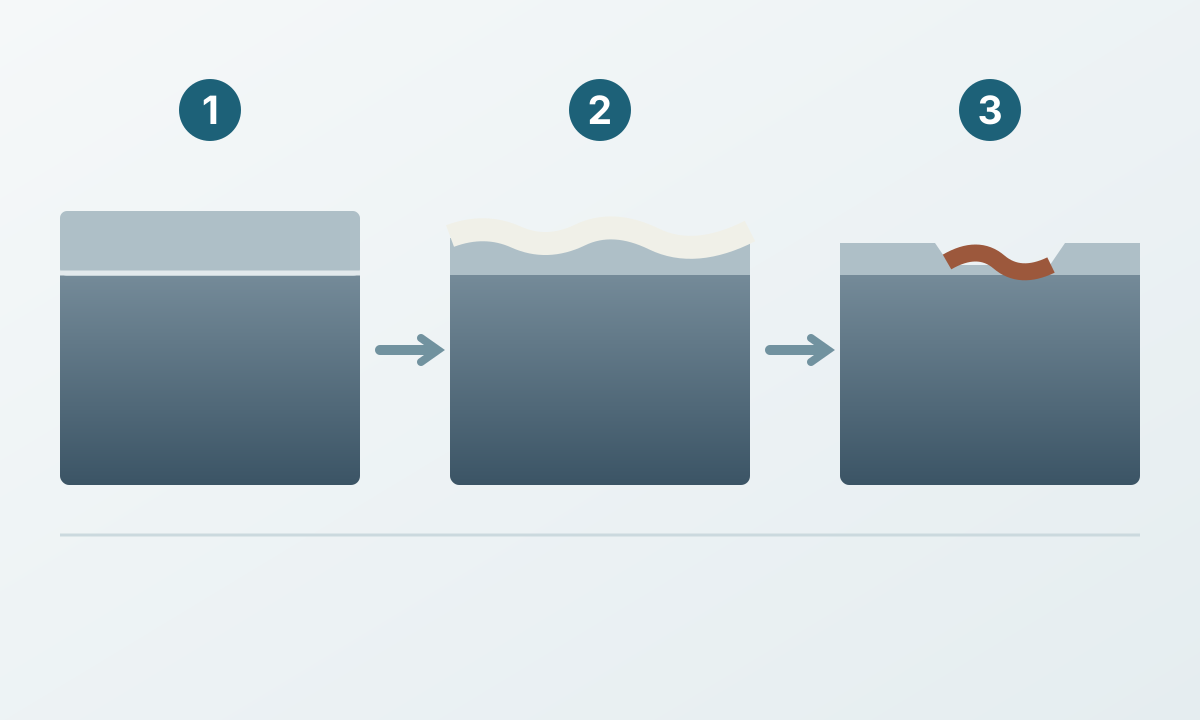
White rust and wet storage stain
The common term “white rust” is often used for white or gray zinc corrosion products. A specific form, wet storage stain, is associated with fresh galvanized surfaces kept wet while airflow is restricted. Tightly stacked sheets, nested components and bundled products are typical places for it to appear.
American Galvanizers Association guidance describes wet storage stain as zinc oxide and zinc hydroxide visible on the coating. Light deposits may weather away after the product is separated and allowed to dry. Heavier attack can consume enough zinc to justify cleaning, coating-thickness checks or repair under the applicable specification.
For coils and sheets, storage practice matters: keep material dry, prevent trapped condensation, provide drainage and airflow, and follow the supplier’s handling guidance.
Red rust means the steel substrate is corroding
True red rust forms from iron in the steel substrate. It appears after zinc has been removed, deeply damaged, locally consumed or was missing from the beginning. Cut edges, severe forming damage, welding, grinding, long-term exposure and aggressive wet conditions can all create locations where the remaining protection deserves closer inspection.
Rust-colored staining still needs diagnosis before it is called coating failure. Carbon-steel grinding dust, runoff from nearby uncoated steel or iron-containing particles can leave brown or red stains on an otherwise protective galvanized surface. Some hot-dip galvanized coatings can also show oxidation associated with zinc-iron alloy layers. Check whether zinc remains beneath the stain and whether the substrate itself is exposed.
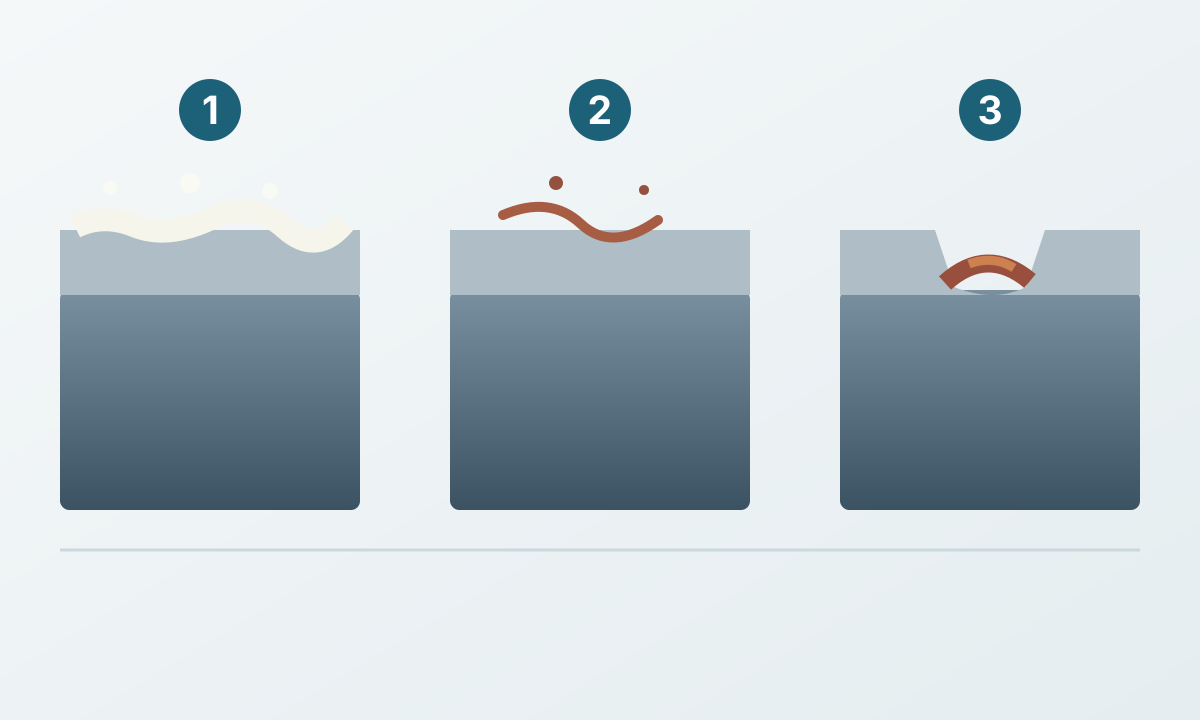
Why some galvanized steel lasts longer
Corrosion rate varies with both coating and environment. The main variables include:
- zinc coating mass or thickness;
- humidity and time of wetness;
- chloride exposure from marine spray or deicing salts;
- industrial pollutants and local chemistry;
- drainage, crevices and places that retain debris;
- runoff from other materials;
- mechanical damage, cutting, welding and severe forming;
- storage conditions before installation.
A thicker zinc reserve generally provides more time before the steel substrate is exposed under the same environment, but coating designation and product route must be identified correctly. Continuous galvanized sheet, batch hot-dip galvanized fabrications and electrogalvanized products can have different coating systems and specification frameworks.
Cut edges and scratches
Galvanized sheet is normally cut after coating, so the edge may expose steel. Nearby zinc can provide sacrificial protection to a limited exposed region, which is why a small cut edge may perform better than bare steel would suggest. Edge behavior still depends on sheet thickness, coating amount, environment, edge geometry and whether water or contaminants remain on the edge.
Large damaged areas and deeply ground surfaces need a repair decision based on the governing product or project specification. Do not assume visible zinc elsewhere will protect an unlimited bare area.
How to inspect a suspicious area
Start with four questions:
- Is the deposit white/gray, red/brown, or mixed?
- Is the zinc coating still present beneath the discoloration?
- Was the part stored wet, tightly stacked, cut, welded or ground?
- Is the location repeatedly wet or exposed to chlorides, runoff or trapped debris?
For important structures or severe exposure, visual appearance should be followed by coating-thickness measurement and the inspection criteria in the applicable specification.
Standards and product context
For continuously galvanized sheet, ASTM A653/A653M covers zinc-coated and zinc-iron-alloy-coated sheet products and their coating designations. Batch hot-dip galvanized fabrications use a different standards framework. ISO 14713-1 provides broader guidance on design and corrosion protection using zinc coatings.
The product route matters whenever coating mass, repair criteria or inspection acceptance is being specified.
Practical takeaway
Galvanized steel still participates in corrosion; the zinc coating is the planned corrosion reserve. White or gray zinc products can appear while the steel remains protected. Red rust from the substrate signals that local zinc protection has become insufficient. The most useful assessment combines coating condition, exposure, drainage, storage history and the actual product specification.