
Prepare galvanized steel for painting by identifying the zinc coating and its surface treatment, removing contamination, and qualifying a paint system that bonds without unnecessarily consuming the zinc. Check a representative trial before treating the whole job. A smooth, bright surface, a grey surface and a surface carrying white deposits can require different preparation.
This guide covers liquid painting of previously unpainted zinc-coated steel. Existing paint, powder coating, galvannealed sheet and aluminium-zinc or zinc-aluminium-magnesium coatings need their own confirmed procedure. For material identification, see galvanized steel coil .
1. Establish which coating you have
Record the product form, coating specification, service environment and whether the surface was oiled, quenched, passivated or given an organic treatment. Obtain the mill or galvanizer’s treatment record. Colour alone cannot establish whether a clear pretreatment is present.
ASTM D6386-22 addresses preparation of unpainted, batch hot-dip galvanized products and hardware, including weathered surfaces. ASTM D7396-25 covers new continuously zinc-coated surfaces for liquid paint, including hot-dipped and electroplated products; its scope excludes mill-applied temporary protective treatments other than easily removed oils. A passivated sheet therefore needs a supplier-agreed preparation route rather than an assumption that it falls within ASTM D7396.
Use the edition required by the project. These scope references do not replace the full procedure. For new orders, tell the supplier that the material will be painted before selecting its temporary protection.
2. Separate contamination from coating damage
| Observed condition | What to establish | Preparation decision |
|---|---|---|
| New, smooth zinc | Oil, passivation or other treatment; paint-system requirements | Clean and use the approved adhesion-promoting route |
| White or loose deposits | Deposit extent, moisture exposure and zinc remaining below | Remove interfering deposits; assess serious coating loss before painting |
| Firm, weathered surface | Cleanliness, soundness and compatibility with the specified paint | Retain sound patina where the approved system permits it |
| Red rust or exposed steel | Local damage, contamination or depleted zinc | Investigate and specify repairs before general coating work |
Scroll within the table to see all columns →
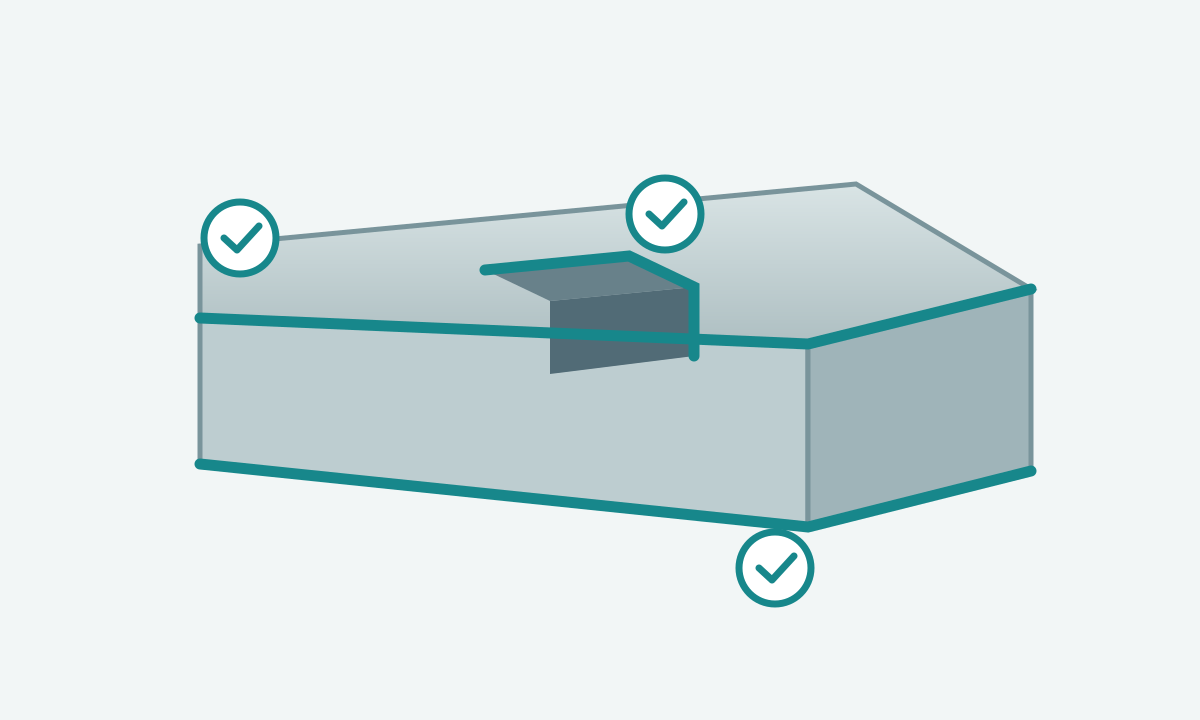
Inspect sheltered undersides, laps and stored contact faces as well as exposed faces. Weathering time is not a reliable acceptance test: storage conditions and atmosphere change the surface that develops. Do not sand every grey area back to bright metal. Conversely, paint applied over loose zinc corrosion products can detach with that weak layer.
Photograph defects and mark areas needing repair. Coating designation alone does not tell you how much zinc remains at a damaged spot; see coating-weight selection for the separate specification question.
3. Agree the paint system and a trial
Ask the coating supplier to approve the complete sequence for the actual surface: cleaner, any pretreatment, primer, intermediate coat and finish. Obtain requirements for preparation, application conditions, film thickness, curing and recoating. The words “metal primer” or “zinc-rich” do not establish suitability over intact galvanized zinc. Conventional alkyd/oil coatings can lose adhesion through reaction with zinc; use only a specifically approved system.
Prepare a representative coupon or agreed trial area using the intended equipment and materials. Include difficult edges, repairs and access restrictions. Apply the full system, allow the specified cure, and assess adhesion with the agreed method and acceptance criteria. Record the failure location if a test damages the coating. An immediate scratch check or a successful patch on different material cannot qualify the whole job.
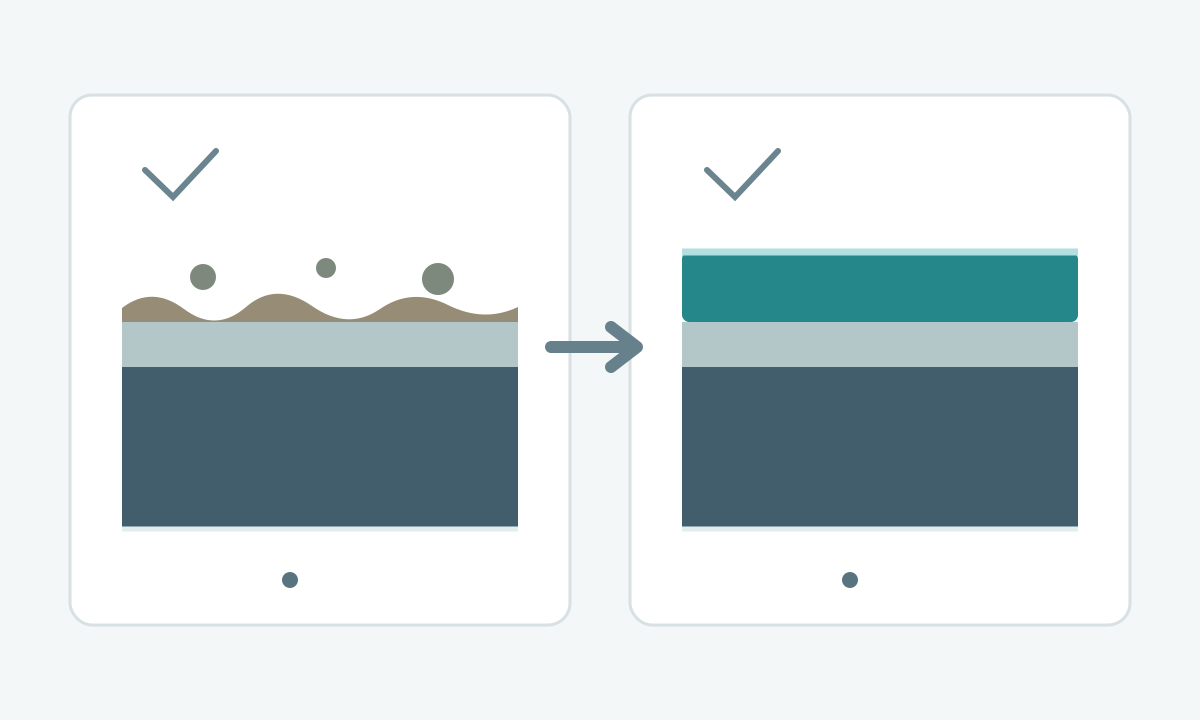
4. Clean without spreading the contamination
Remove oil and grease using a cleaner confirmed suitable for zinc and the selected coating system. Change contaminated wipes and keep dirty wash liquid off already cleaned areas. Where the procedure requires rinsing, use suitable clean water and remove cleaner residues. A solvent wipe alone does not establish removal of water-soluble salts.
Remove loose deposits by the approved method, then clear dust from recesses, edges and joints. Treat sharp projections or excessive zinc runs locally where permitted, preserving the specified coating. Check remaining zinc where the trial or inspection indicates possible loss.
Use the product safety data sheets and site controls for chemicals, dust, ventilation, protective equipment and collected waste. Do not improvise an acid mixture or use household vinegar as an acceptance-controlled pretreatment. Chemical treatment belongs to a compatible proprietary process with defined handling and residue-removal requirements.
5. Create only the surface the system requires
Depending on the qualified system, adhesion preparation may use controlled sweep blasting, light mechanical abrasion, chemical pretreatment or a product specifically approved for direct application. Cleaning remains necessary even where a product permits omission of separate etching or profiling.
For abrasive preparation, qualify the abrasive, equipment and operator on representative zinc-coated material. Set the required condition with the coating supplier and verify that preparation leaves enough zinc. A blast setting suitable for a substantial batch-galvanized fabrication may remove too much zinc from thin continuously coated sheet or distort the sheet. Do not transfer bare-steel blast-cleaning grades or a generic pressure, abrasive size or removal allowance to every galvanized surface.
Remove preparation debris and keep the surface dry and protected. Reinspect after rain, condensation, dirty handling or an unplanned delay. Any repeated cleaning or treatment must remain compatible with the already prepared surface.
6. Release the surface before painting
Use an agreed hold point with these checks:
- Material and pretreatment history match the approved trial and procedure.
- Oil, loose deposits, dust and interfering residues have been addressed, including joints and sheltered faces.
- The required surface condition and zinc-retention or repair requirements are met.
- The surface is dry; substrate temperature, humidity and condensation risk meet the product instructions.
- Prepared-to-prime time and subsequent recoat windows can be met with the available crew and access.
- Inspection results, products, batch numbers and accepted trial are recorded.
A water-break check can help reveal some contamination, but it does not identify every passivator or prove paint adhesion. Use any specified salt or contamination tests with their defined sampling and limits. Start coating within the approved preparation window; a universal number of hours would ignore the process and exposure conditions.
7. Diagnose failures before repeating the job
If a trial peels at the zinc interface, check treatment history, residual contamination, preparation and compatibility. If failure occurs between paint coats, investigate cure, contamination and the recoat interval. White deposits returning beneath or around the coating call for review of moisture exposure and surface preparation. These observations guide investigation; appearance alone rarely identifies one cause.
Stop broad application when the trial fails. Revise the procedure with the supplier, repeat the representative trial and document acceptance. Where welding has damaged the protection, coordinate with the galvanized-steel welding guide before specifying the repair and paint sequence. Keep the final record with the component so later maintenance can identify the original zinc, pretreatment and paint system.