
Receiving steel sheet and coil requires a record of what arrived, what was examined and what remains unresolved. Match each item to the agreed order, inspect the accessible material under safe conditions and keep its release status connected to the findings. An intact wrapper or a satisfactory mill certificate cannot establish the condition of every sheet or coil wrap.
This guide covers physical delivery inspection. Establish purchase requirements with the steel specification guide ; use the MTC/MTR guide for certificate interpretation.
1. Prepare the inspection before unloading
Have the purchase order, agreed amendments, delivery list and inspection requirements available. Identify the product form, grade, finish, dimensions, quantity basis and required documents. Record the sampling plan and acceptance criteria agreed for that supply. A receiver should not invent a sample size or rejection limit when a discrepancy appears.
Plan unloading with trained personnel; keep inspection clear of moving loads. See HSE guidance .
Coils can spring open: band release and uncoiling need controlled procedures. See Tata Steel’s warning .
2. Record arrival condition and identity
Before packaging changes, record accessible damage, wetness, shifted packing and unreadable labels. Take photographs where site rules permit, linking each image to the item and location. SSAB’s delivery example records damage and moisture; its site rules remain local.
Create one receiving line per identifiable coil or bundle. Compare the order item, delivery-list identifier and physical label. Keep heat, parent-coil and daughter-coil or bundle numbers in separate fields. An apparent label mismatch needs clarification before the material is mixed with accepted stock.
Reconcile the stated quantity basis: pieces, bundles, net mass or another agreed unit. Record a count separately from a stated or measured mass, including how the mass was obtained. Gross transport weight includes items that may be excluded from the ordered steel quantity.
3. Inspect what is accessible and state the limits
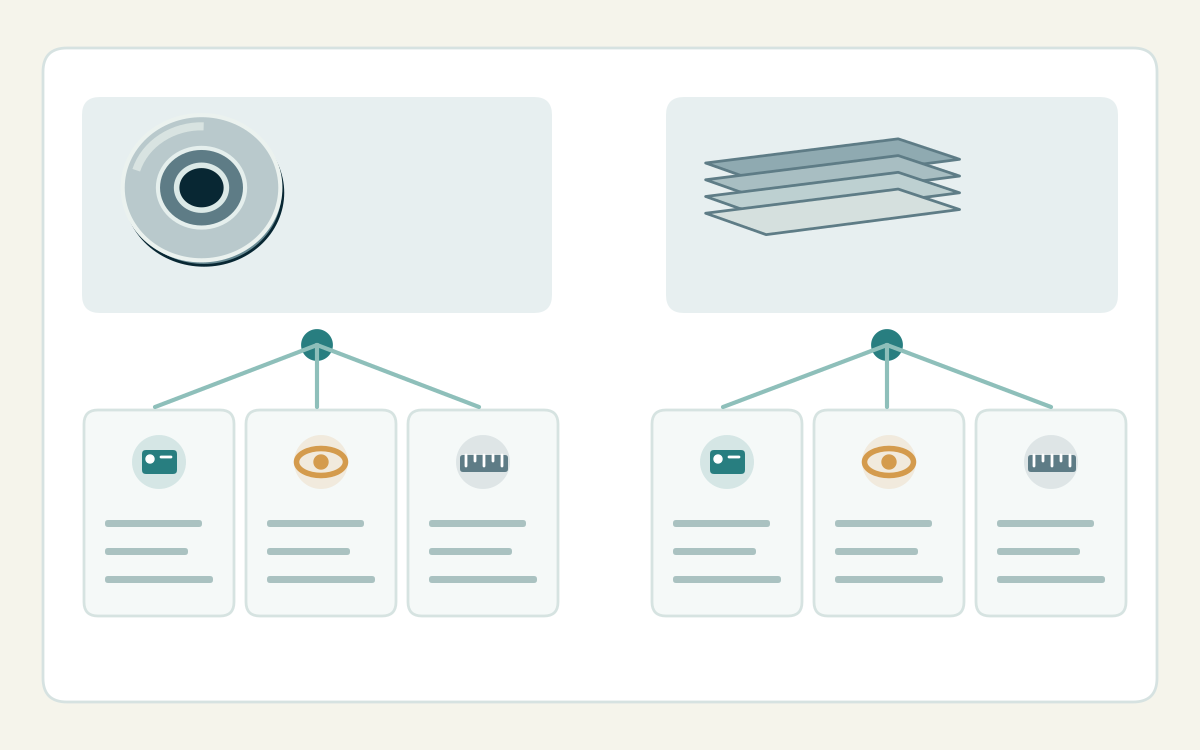
Record the inspected face, edge, sheet position or accessible coil area. Note the extent of marks and whether packing prevents further examination. The top sheet and outer wrap provide limited coverage; record unexamined areas explicitly.
| Check | Record | Decision basis |
|---|---|---|
| Packaging and moisture | Wet areas, torn protection, displaced supports or damaged bands | Safe handling assessment and agreed protection requirements |
| Visible surface | Location, extent and appearance of scratches, dents, stains or coating damage | Specified finish and surface acceptance criteria |
| Edges and winding | Visible edge damage, displaced wraps or irregular winding | Product requirements and competent handling assessment |
| Dimensions and shape | Results, measurement locations, instrument and support condition | Ordered standard, tolerance class and agreed method |
Scroll within the table to see all columns →
Describe a stain before assigning its cause. Colour or a photograph alone cannot establish corrosion depth, coating loss or fitness for use. Preserve the initial evidence; cleaning, straightening or reworking a disputed area can remove information needed for assessment. Wet or unstable material needs prompt attention from the responsible team, without improvised unpacking or handling.
4. Compare measurements on the ordered basis
Use suitable calibrated equipment and the measurement locations, sampling and rounding rules applicable to the order. Retain the raw readings alongside the requirement and its source. A label’s nominal thickness is not a measured result.
For coated material, establish whether the requirement concerns base steel or the specified coated thickness. A reading through the finished coating cannot automatically demonstrate base-metal thickness. The thickness-tolerance reference explains that distinction and why a reading below nominal can still conform.
Check width, length and shape only under the required measurement conditions. Support or restraint can change a flatness observation. For coils, confirm the ordered internal diameter (ID), outside diameter (OD), width and mass requirements using safe, approved access and reliable evidence; dimensional conformity does not establish lifting suitability. An inaccessible required check stays open until an authorized inspection stage provides it.
5. Hold discrepancies with their evidence
Consider an illustrative sheet bundle with wet wrapping and stained accessible edges. Record the observations, affected bundle and examination limits; protect the evidence and request an assessment. The stains alone do not establish a whole-bundle rejection or acceptance.
In a second illustrative case, a thickness reading appears acceptable but the measurement includes coating while the order specifies base-metal thickness. Keep the thickness check unresolved until the agreed method establishes the required basis. Repeating the same unsuitable reading does not close the issue.
Identify and segregate affected material through the site’s approved system. Record who must resolve each discrepancy, the evidence requested and any restriction on processing. Notify the supplier through the agreed channel; SSAB’s orders and delivery support directs customers to applicable terms and contacts. Use the actual contract for notification requirements and deadlines.

6. Close the receiving record
Keep the item identity, inspection date, inspector, checked extent, measurements, photographs, requirement references and discrepancy correspondence together. Record accepted findings, outstanding checks and any authorized concession separately. Receipt acknowledgement and technical release should remain identifiable as separate records under the site’s procedure.
The final disposition must identify the affected items and the person authorized to approve it. Carry their identity and status into storage or processing, including split bundles and slit coils. If later examination reveals hidden damage, reopen the affected record with the new evidence instead of treating the initial external check as complete coverage.