
Choose steel for hot service by qualifying the component’s temperature, load, exposure time and environment together. An oxidation limit, room-temperature strength or familiar grade name is not a complete design basis. The purchase decision should identify the evidence for the actual product form, delivered condition and fabricated component.
This guide covers sustained or cyclic elevated-temperature service. It does not select a fire-resistant structure, heat-treatment recipe or hot-work tool steel, and it does not supply allowable stresses. The distinction between service and melting temperature remains essential: a component can become unusable while its metal is still solid.
Define the duty before requesting a grade
Prepare a component record rather than sending a supplier only a furnace setpoint. Identify where the part sits, what it supports or contains, how failure would affect the equipment, and who owns the design approval. A lightly loaded internal screen and a pressure boundary need different evidence even if they see the same gas stream.
Record normal and credible excursion metal temperatures, the basis of those temperatures, hot dwell, expected operating duration, starts and stops, heating and cooling patterns, and the load applied during each stage. Distinguish a measured metal temperature from a gas reading or an unverified estimate. Mark unknowns explicitly; do not fill them with the most convenient catalogue value.
Attach a sketch showing supports, welds, openings, thickness changes and contact with other materials. State whether the part can move as it heats. If the current evidence does not describe a critical location, make obtaining that evidence a hold point before material approval.
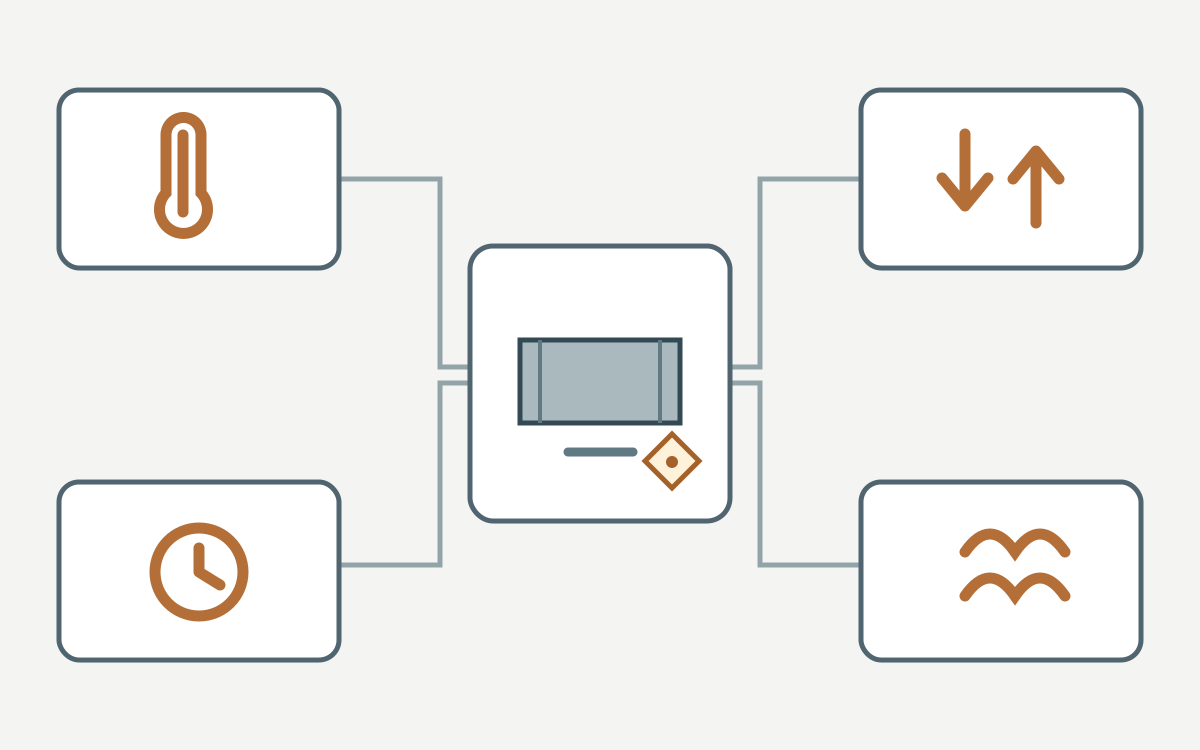
Match each question to the right evidence
Keep the evidence categories separate in the bid comparison. A document may answer one question well and leave another unanswered.
| Question | Request | Do not substitute |
|---|---|---|
| Short-duration loading | Applicable elevated-temperature mechanical data and design assessment | A room-temperature tensile certificate alone |
| Long hot dwell under load | Time- and temperature-scoped creep/deformation and rupture evidence | A headline oxidation temperature |
| Surface attack | Evidence for the actual gas, deposits and exposure pattern | Clean-air performance for every process atmosphere |
| Repeated heating and cooling | Review of movement, restraint, gradients and relevant cyclic performance | A steady-temperature test alone |
| Finished component | Product, condition, weld and governing-code documentation | A grade name or family-level brochure |
Scroll within the table to see all columns →
Alleima 253 MA separates creep and rupture data. Do not transfer tube-specific values to plate.
Ask the designer to identify the applicable acceptance criterion, not simply the largest number in a table. Record whether data are typical, guaranteed or a design value, and whether they concern parent material or the joint. A missing duration, condition or product basis is a missing qualification, not a zero-risk assumption.
Build a shortlist without a universal temperature ladder
First decide which failure modes and project rules govern. Then compare candidate material specifications, product availability and fabrication routes. Carbon or alloy steels, heat-resistant ferritic stainless steels and austenitic grades belong in different shortlists according to the duty; no sequence of names establishes automatic upgrades.
NIMS lists carbon, low-alloy, high-chromium and austenitic steels. Seek evidence for the specified material.
For broad family background, use stainless steel grade selection . In this procurement exercise, retain the complete designation, product standard, condition and supplier identity for every candidate. Similar chemistry or an equivalent-name chart does not close those fields. If a proposed substitute changes any of them, reopen the affected qualification before discussing its price advantage.
Include atmosphere, shutdowns and movement
Describe both sides of the component where they differ. List the known process gases, moisture, deposits, cleaning exposure and shutdown conditions; give the source and confidence of the information. Ask whether the supplier’s evidence addresses that environment or only laboratory air. Where it does not, request an application-specific assessment rather than inventing a correction factor.
Outokumpu’s high-temperature guidance treats oxidation behaviour and thermal fatigue as separate design concerns. Keep both on the review sheet.
Check supports, sliding interfaces and connected materials against the actual heating and cooling sequence. The thermal-expansion reference explains free movement; free growth alone does not determine a restrained assembly’s stresses or joint detail. Ask the design team to close the load path and movement assessment, including what happens during an excursion or a restart. Do not use an unloaded oxidation demonstration as proof that a welded, restrained part will perform similarly.
Qualify the fabricated condition
The ordered material and the installed component are separate checkpoints. State who will form, weld, heat treat when required, inspect and identify the part. Obtain the applicable procedure and acceptance requirements before manufacture, rather than asking the workshop to infer them from a commercial grade designation.
TWI’s fabrication guidance identifies different cracking concerns across creep-resistant material families. A generic stainless welding instruction is therefore insufficient.
For each operation, request a record of the specified condition and any permitted changes. Include the filler selection, required thermal treatment, examination scope and traceability in the agreed plan, without copying parameters from a different product. If the supplier proposes omitting a required treatment or substituting a filler, hold that change for technical review. A material test certificate identifies the delivered material; it does not by itself verify the completed joint or the equipment design.
Compare three hypothetical offers
Consider a replacement support inside a hot process enclosure. The owner has not yet confirmed the metal-temperature distribution or restraint at its connections. These offers are illustrative, not actual supplier quotations.
Offer A gives a familiar grade and a maximum temperature in air. Ask for the product condition and the evidence applicable to the support’s load, dwell and atmosphere. The quotation has not yet addressed the component’s complete duty.
Offer B gives a long-duration material dataset but leaves the weld and forming condition open. Ask the fabricator to reconcile that dataset with the proposed manufacturing route and the designer’s acceptance basis. A stronger document in one category does not remove the remaining gaps.
Offer C identifies the product, fabrication plan and a list of design questions that must be resolved before acceptance. That makes its scope easier to review, but does not automatically make the material suitable. Close the same open temperature and restraint questions for all offers. Compare price and delivery only among options that meet the agreed technical basis.
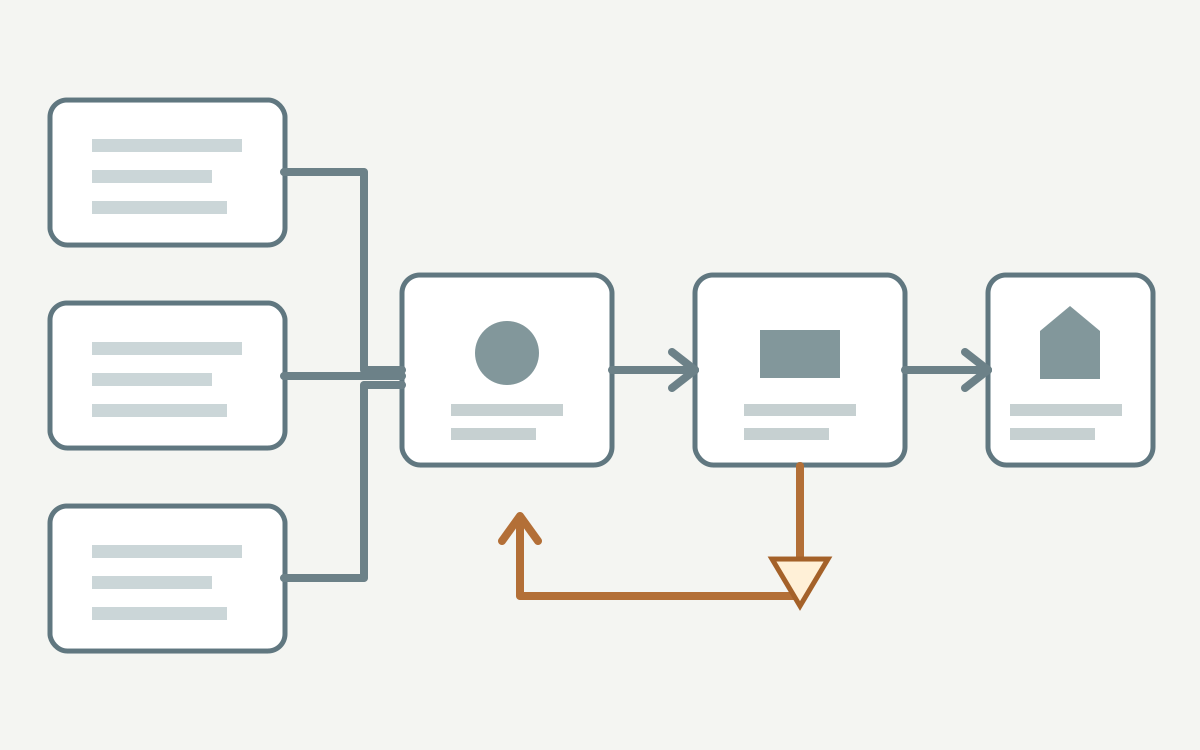
Issue an order that preserves the decision
The purchase order should connect the drawing revision to the exact material specification, product form, condition, dimensions, tolerances, identification, inspection documents and approved fabrication requirements. List unresolved items as hold points with a responsible reviewer. Agree how material substitutions, altered duty and repair proposals will be evaluated before release.
Where pressure-equipment rules apply, obtain the project’s governing construction rules and material basis. ASME’s public BPVC catalogue identifies Section II, Part D as Properties; this article has not reviewed the paid code or selected an allowable stress. The applicable edition and component approval remain project-specific.
At receipt, reconcile markings and documents with the approved order. Before service, confirm that required fabrication records and technical hold points are closed. Retain the reviewed duty record so that a later process change can be assessed against the same assumptions. The source record distinguishes public guidance from product data; none certifies this hypothetical component.