
Verify galvanized coating weight by connecting the ordered requirement to an identifiable delivery, the specimens tested and a complete result record. Keep the governing product specification, sampling basis, test method, units and acceptance decision together. A coating designation on a coil label cannot provide that chain by itself. Visible spangle and whole-sheet weight alone also leave the coating-specific evidence missing.
This guide concerns supplied continuously galvanized steel sheet and coil. Choose the requirement before ordering with the coating-weight selection guide . Here the task is to establish what the delivered material’s evidence actually supports, without extending a result to material that it does not represent.
1. Freeze the requirement before reviewing results
Retrieve the purchase order, agreed specification edition, coating designation and supplier confirmation. Record whether the requirement concerns total coating on both sides, an individual side, or another explicitly agreed basis. Keep the contractual units and distinguish each required individual result from any required average. GalvInfo explains that sheet-coating designations can have separate individual and average criteria; consult the source notes .
Build the acceptance record from the actual applicable documents. Enter each relevant limit, its clause and the condition under which it applies; leave unresolved fields visibly open. Do not divide a total-both-sides figure by two to invent a guaranteed minimum for each surface. If the order and certificate use different designations or editions, obtain clarification before assigning a conformity result.
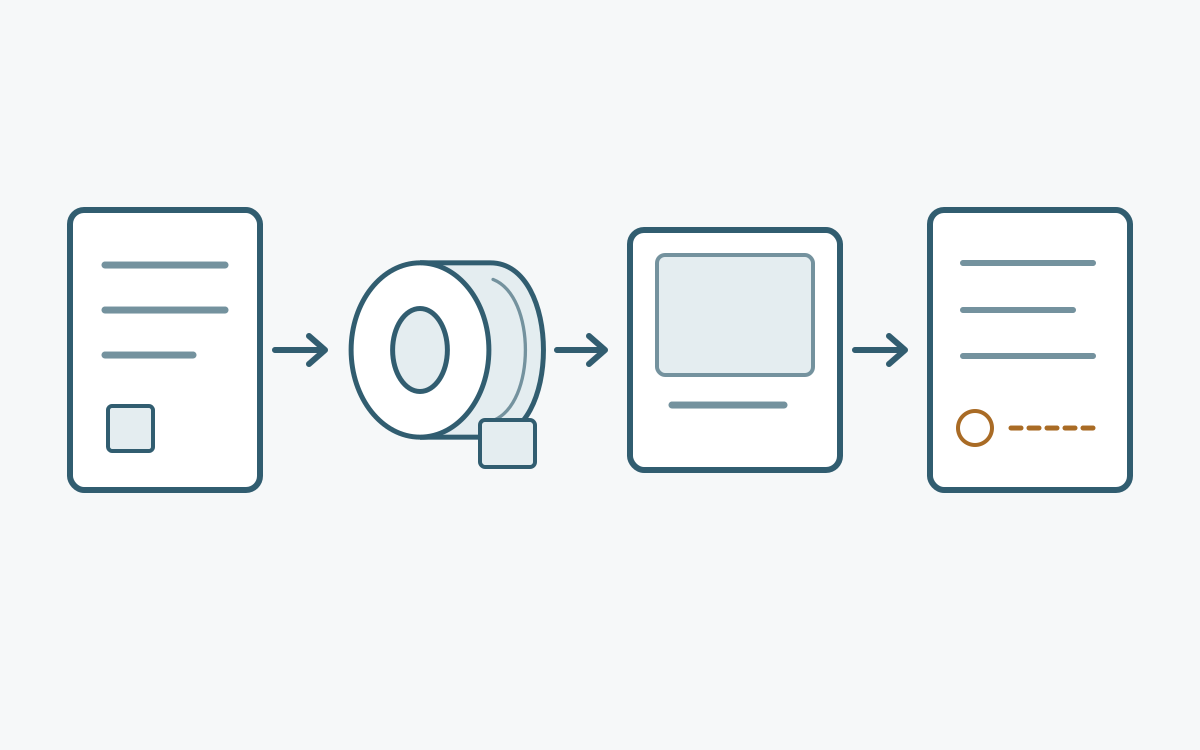
2. Connect each specimen to the delivered material
Record delivery reference, supplier, coil or bundle identification and the agreed inspection-lot definition. Preserve the connection between every specimen and its parent material, including its recorded position and orientation where required. For slit coils or cut sheets, ask how the retained manufacturing and sampling records relate to the original material. A convenient offcut with no traceable origin leaves this link incomplete.
Agree who may take samples and which document controls their number, location, dimensions and preparation. This guide supplies no universal sampling count or layout. Keep the sampling record, specimen labels and laboratory receipt together. Resolve a missing identifier before testing where possible; a test result cannot repair an unrecorded specimen origin. Sample removal and coil handling require an approved safe procedure by competent personnel.
3. Confirm what the reported method establishes
Request the method identifier and edition, applicable material scope, laboratory identity and report reference. The BSI catalogue lists ASTM A90/A90M-21 for coating-mass testing; catalogue access does not provide its complete procedure. Obtain the method required by the contract through the responsible laboratory. See the method reference .
Require the report to identify the measured quantity and its basis. A thickness reading needs its own scope and interpretation; do not silently relabel it as an accepted mass-per-area result. Request the relevant calibration or verification evidence and the agreed treatment of uncertainty when applicable. Destructive laboratory work belongs under the laboratory’s controlled safety procedure. This article gives no stripping chemicals, concentrations or operating steps.
4. Reconcile the report before judging conformity
Use the following record to expose missing evidence. Retain the original report alongside any transcription, including units, qualifiers and corrections. A supplier summary can help locate records, but the review still needs the underlying evidence specified in the order.
| Field | Record to retain | Question to resolve |
|---|---|---|
| Requirement | Document, edition, clause and designation | Does it match the order? |
| Material | Delivery, lot and parent identifiers | Which material is represented? |
| Sampling | Specimen identifiers and applicable sampling record | Is the origin and basis traceable? |
| Method | Method edition, laboratory and report reference | Does its scope cover this assessment? |
| Results | Individual values, required averages, units and side basis | Are all required results present? |
| Decision | Applicable comparisons, open issues and authorized disposition | Who resolves or releases the lot? |
Scroll within the table to see all columns →
Recalculate a required average from the appropriate reported values while preserving their original precision. Follow the applicable rounding and decision rules; do not choose a rounding convention to turn an unresolved result into a pass. An omitted value stays missing. Do not enter zero, substitute another specimen or average across different lots without an applicable, documented basis.
5. Keep individual and average decisions separate
An average can conceal a low individual result. As a purely arithmetic illustration, two invented values of 240 and 320 have an average of 280. Those numbers specify no coating grade, units, sampling plan or acceptance threshold. If the applicable requirement includes an individual limit, the average alone cannot establish compliance with that limit. Check every required comparison on its stated basis.
Use a result matrix with separate rows for each applicable criterion and a link to its evidence. Record a missing side-specific result as unresolved when such evidence is required. An overall acceptable average cannot supply a missing measurement. Keep any disagreement about the method, specimen representativeness or contractual interpretation attached to the decision instead of hiding it in a general “certificate accepted” note.
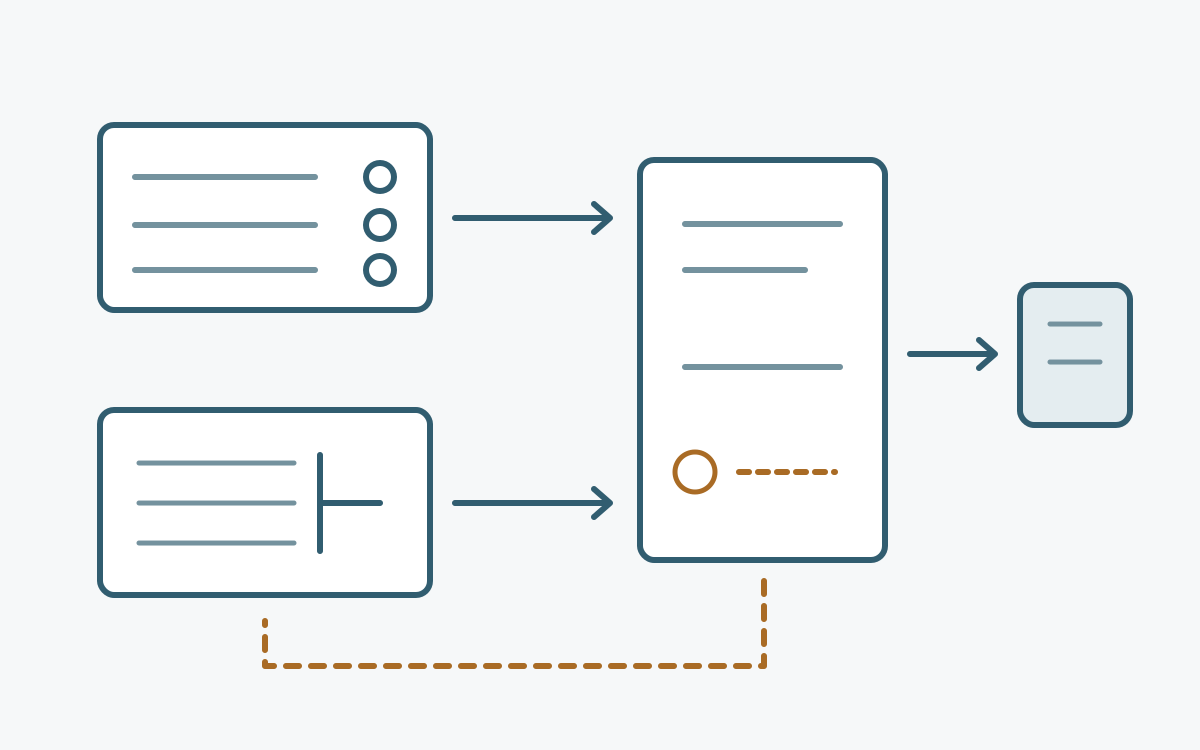
6. Close the evidence gap and preserve the decision
For an incomplete report, request the specific missing identification, method information or result. For a disputed or out-of-limit result, keep the affected material identifiable and follow the agreed nonconformity and retest process. Retesting requires the applicable rules and authorization; repeatedly sampling until a favourable value appears does not establish a valid acceptance decision.
Record the final status, represented material, supporting report revisions, unresolved restrictions and the person authorized to decide. Release, concession and rejection must follow the agreed authority; a reviewer should not invent approval. Carry remaining receiving issues into the delivery inspection record . Preserve the coating evidence with the galvanized product identification so the decision remains traceable after the material is split or transferred.