
Choose a supplied stainless steel finish by deciding what the surface must do, what people will see and what fabrication will change. Then turn those decisions into a purchase specification with an agreed sample and inspection method. A finish label is a starting point, not the complete order.
Keep material and surface decisions separate. Stainless steel families describe the material; grade selection addresses the service environment. This guide chooses the supplied sheet surface. It does not prescribe abrasive sequences or certify food-contact equipment.
1. Define the surfaces that matter
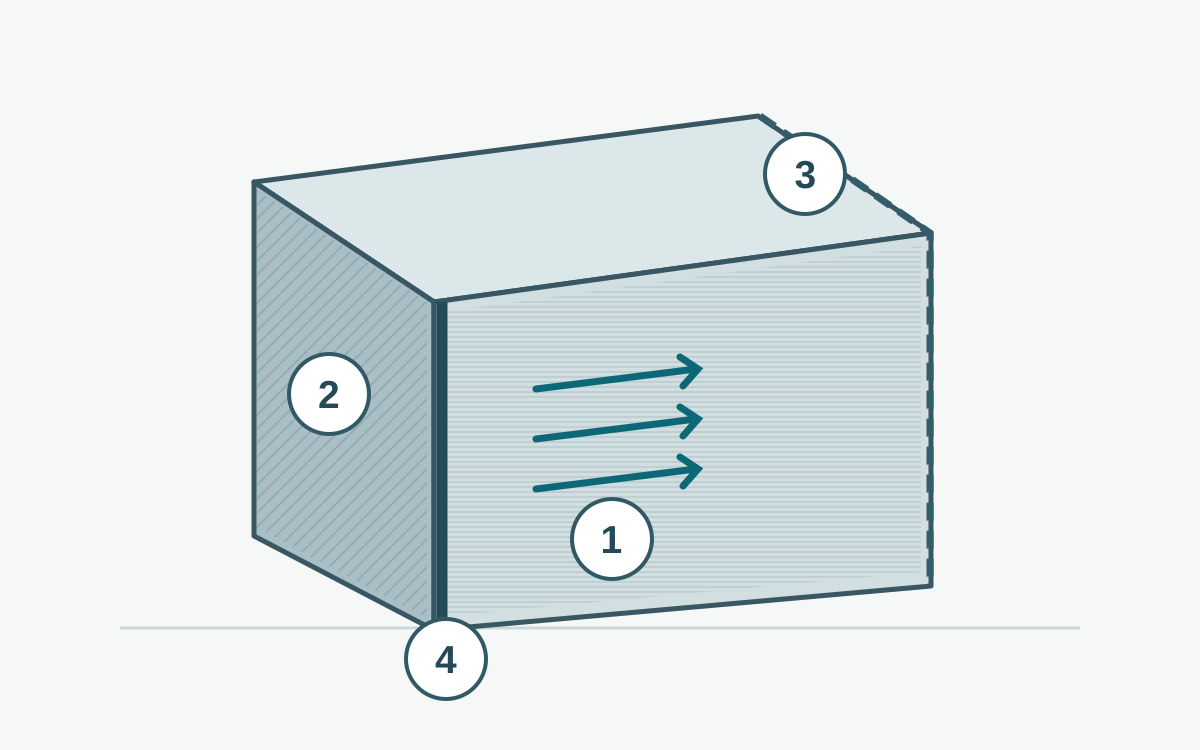
Mark visible faces, concealed backs, edges, returns and weld zones on the drawing. Give each a requirement rather than assuming both sides need the same decorative finish. Record the installed orientation and which adjacent pieces must match. A loose sample can look acceptable while the completed assembly does not.
Build the enquiry around five questions. If the answer is unknown, leave it as an open decision instead of allowing each bidder to invent a different assumption.
| Decision | Information to provide | Evidence to request |
|---|---|---|
| Cleaning | Soil, cleaning method and access | Representative cleaning trial where needed |
| Exposure | Indoor/outdoor, wetting and deposits | Review of the actual grade and surface combination |
| Appearance | Visible faces, reflection and grain direction | Retained sample and assembled mock-up |
| Fabrication | Bends, welds, handling and protection | Trial part showing the delivered condition |
| Acceptance | Inspection stage and agreed limits | Traceable visual and measurement records |
Scroll within the table to see all columns →
2. Shortlist finishes without inventing equivalence
The worldstainless overview distinguishes dull 2D, general-purpose 2B, bright-annealed BA, brushed, satin and mirror-polished surfaces. These are finish families, not alloy grades.
Request actual samples of the supplier’s available grade, thickness and finish. Compare the quotation’s designation with the named specification and edition; do not automatically replace an ASTM-style label with an EN code. Commercial words such as “hairline” or “satin” also need an agreed description. BSSA’s public guidance distinguishes process-based finish codes from a complete surface specification; consult the actual contractual standard for its requirements.
Use the sample comparison to eliminate unsuitable options before negotiating price. Include availability, minimum order, protection and replacement supply in the comparison. A visually attractive option that cannot be supplied consistently in the required product is not yet an orderable solution.
3. Evaluate cleaning and exposure separately from shine
List the actual dirt or residue, cleaning agents, frequency, rinsing and access. Ask the supplier to identify limitations of the proposed surface and any decorative treatment. Where cleaning performance matters, agree a representative trial and a way to judge the result. A photograph of a clean new sheet is not that evidence.
Do not use a brighter appearance to close an unresolved corrosion assessment. Record sheltered areas, retained moisture and deposits in the same enquiry used for grade selection. If service conditions change, review the combination again rather than assuming a finish upgrade replaces the material review.
For a product-contact component, use the separate food-contact selection guide . Its compliance and hygienic-design questions remain open even after the finish sample is approved. This article supplies no universal roughness limit, cleaning validation or corrosion-life promise.
4. Approve reflection, grain and repair strategy
Decide whether the project wants diffuse reflection, a visible directional pattern or a clear reflected image. Review the assembly at its intended viewing position, including nearby lights and adjacent panels. Mark the grain direction relative to a drawing datum, not merely “along the sheet,” which can become ambiguous after cutting and folding.
ASSDA cautions that mill-finished batches can differ visually and local repair may not recreate the original surface. Decide before ordering whether a damaged visible face will be replaced, refinished over a larger area or accepted against a repair sample. Do not leave that choice to installation day.
Keep a signed master sample and an agreed working copy. The Euro Inox finish guide recommends retained reference samples; use them to settle what the project actually accepts, not as proof of performance in a different environment. For fabrication methods, consult the separate polishing guide .
5. Test the route from sheet to finished component
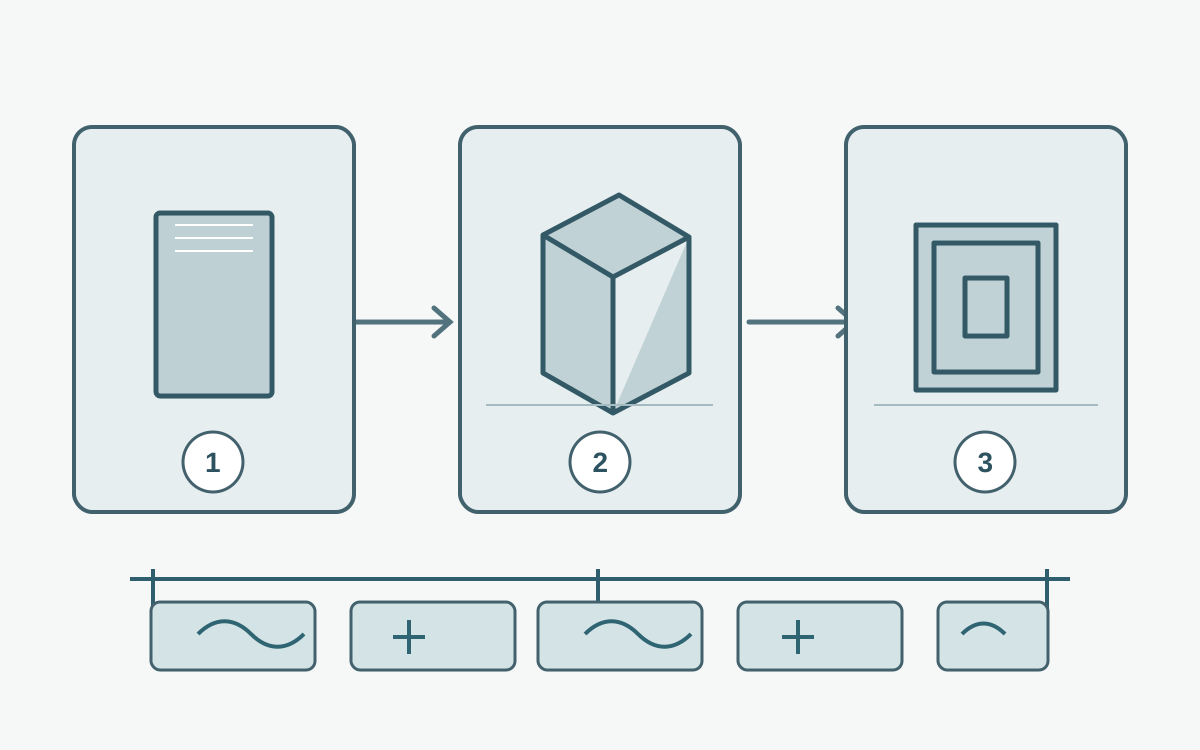
Ask for a trial that includes the difficult bend, visible joint and any planned repair. Specify whether acceptance applies before fabrication, after finishing or after installation. A flat-sheet approval should not silently become approval of a welded corner.
Agree protection during cutting, forming, transport and storage, plus when and how protective film is removed. Have the fabricator identify operations that could change the accepted appearance and where inspection occurs before those areas become inaccessible. Require proposed changes of supplier, process or protective system to be reviewed against the approved result.
If a numerical surface requirement is needed, define the parameter, applicable measurement standard and method, evaluation settings, measurement direction and locations, instrument verification and acceptance rule with the responsible specialist. Record welds and repaired areas separately. Do not infer image clarity, grain consistency or a complete surface condition from one Ra result.
6. Compare two different purchase decisions
Consider a hypothetical concealed service enclosure. Its owner needs accessible cleaning and an acceptable fabricated surface, but not matching reflections across a public wall. Request a 2B sample as one candidate, trial the cleaning and fabrication, and compare compliant offers. Paying for mirror polish would need a separate functional reason; lower purchase price alone would not justify omitting the trial.
Now consider a hypothetical reception wall with adjacent folded panels and strong side lighting. Compare a directional finish and a bright finish on an assembled mock-up. Approve grain arrows, reflected appearance, edge returns and the proposed repair policy. If the bright option fails the visual review, a lower Ra result cannot rescue that offer. If the directional option leaves a conspicuous repair, require a different repair plan or replacement allowance before acceptance.
These are contrasting decision exercises, not recommendations that 2B always suits enclosures or that a directional finish always suits interiors. Different exposure, maintenance or fabrication can change either shortlist.
7. Close the order with an acceptance record
Attach the drawing revision, material specification, supplied finish designation, visible-face map and sample identifiers to the order. State required final condition, protection, inspection stages, relevant measurements and who can approve departures. Record agreed exclusions explicitly.
At delivery, compare the identified material and faces with the approved records, including repaired zones and matching adjacent parts. Document any mismatch before accepting a substitution. Retain the sample, inspection results and replacement-supply details together so that a later repair is judged against the same requirement.