
COLORBOND, ZINCALUME and GALVALUME names alone do not establish equivalent roofing quotations. First identify the producer, supply market and exact product; then compare the steel substrate, metallic coating, surface finish and documents supplied with it. A lower price becomes meaningful only after those boundaries match.
What the three names tell you
BlueScope’s Australian COLORBOND range comprises branded prepainted steel products with different finishes and variants. Specify the complete product name, not just a colour that resembles one in its palette. A quotation saying “COLORBOND colour” leaves the actual steel product unresolved.
ZINCALUME identifies a branded metallic-coated steel product, but its technical identity depends on the producer and market. GALVALUME is also a trademarked product designation, associated with licensed production; it should not be treated as a complete generic purchasing specification. Steelscape describes its North American ZINCALUME as licensed Galvalume . That relationship does not make every product carrying either name interchangeable worldwide.
Separate four questions: who made the material, which metallic coating it has, what surface treatment or paint was supplied, and who formed the finished panel. The answer to one cannot fill in the other three. For the underlying coating terminology, see what Galvalume means .
Fix the market and product generation
Australia provides an important counterexample to a global synonym rule: current ZINCALUME with Activate technology uses aluminium/zinc/magnesium coating; that generation was introduced in 2013. An undated brochure, an older roof sample and a current Australian quotation may therefore describe different generations beneath the same brand.
Ask the supplier to identify the country of manufacture, intended sales market, product code and technical-sheet revision. Those are separate fields. An imported coil can be genuine while documentation prepared for another destination leaves your project requirements unanswered. For UK or Canadian procurement, keep the same questions rather than silently applying an Australian or US specification.
When a replacement panel must match an existing roof, record the existing material separately from the proposed supply. A historical brand match is useful evidence of origin, but does not establish today’s coating, colour match or approval for substitution. Obtain a written statement describing any generation change and the requirements it affects.
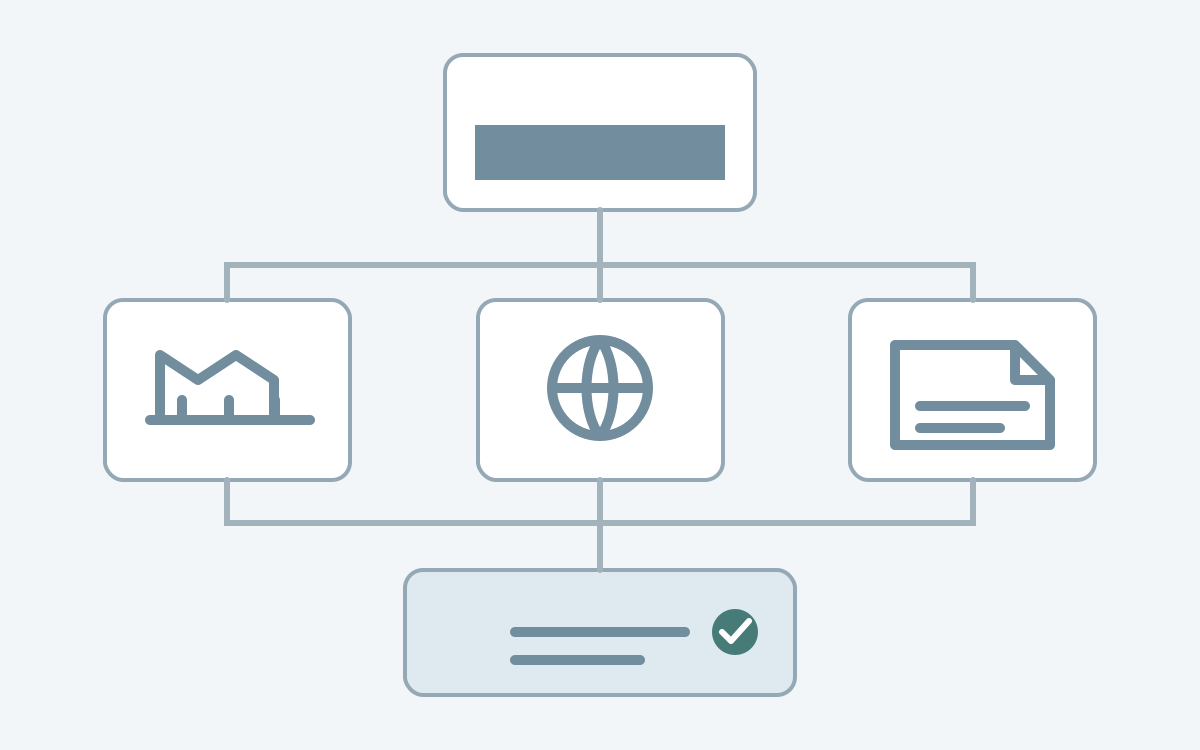
Build one product-identity record per quotation
Use the following comparison record before ranking prices. Leave a missing field visibly open; do not infer it from a familiar brand, a photograph or a salesperson’s description of “equivalent quality.”
| Field | Record | Gap that prevents comparison |
|---|---|---|
| Origin | Producer, market, product code and sheet revision | Brand named without a traceable product |
| Steel substrate | Grade, specified thickness and thickness basis | Nominal gauge or total thickness without its basis |
| Metallic coating | Standard, type and coating-class designation | Generic alloy label without the offered class |
| Surface finish | Treatment or paint, colour, finish and reverse face | A colour match presented as material equivalence |
| Supply scope | Coil or panel, batch link and applicable documents | Unlinked leaflets or an unspecified substitution |
Scroll within the table to see all columns →
Keep material and finish records linked by the supplier’s product code. A steel certificate for one coil and a paint leaflet for a different range do not establish the delivered combination. Request the documents that tie the proposed supply to its coil or batch identifier; agree how that traceability will remain available after profiling and delivery.
The Galvalume coil reference covers substrate and coating specification details. Use it to resolve an unfamiliar field rather than substituting a generic description for the manufacturer’s designation.
Read standards and surface treatments separately
A statement of compliance is another part of the record, not a replacement for product identity. ASTM A792/A792M-25a includes multiple coating types and grades. “Meets A792” therefore leaves choices unresolved. Ask which edition, designation, grade, coating type and coating class the supplier is offering, together with the unit basis used in its certificate.
Do not convert a coating-class label into a supposedly equivalent label under a different standard by comparing the numbers alone. Record both original designations and have the proposed equivalence assessed against the project specification. Likewise, compare steel thickness on the same basis: a base-metal value and a total-coated value need clarification before they can be placed in one price comparison.
A clear surface treatment also needs its own identity. Wheeling-Nippon’s GALVALUME Plus adds an acrylic coating. That does not establish equivalence to a colour-painted system. If appearance is part of the purchase, record the colour reference, finish, exposed face and reverse-side treatment. The prepainted coil guide explains the broader paint-system specification; this comparison does not select a resin for you.
Work through three incomplete offers
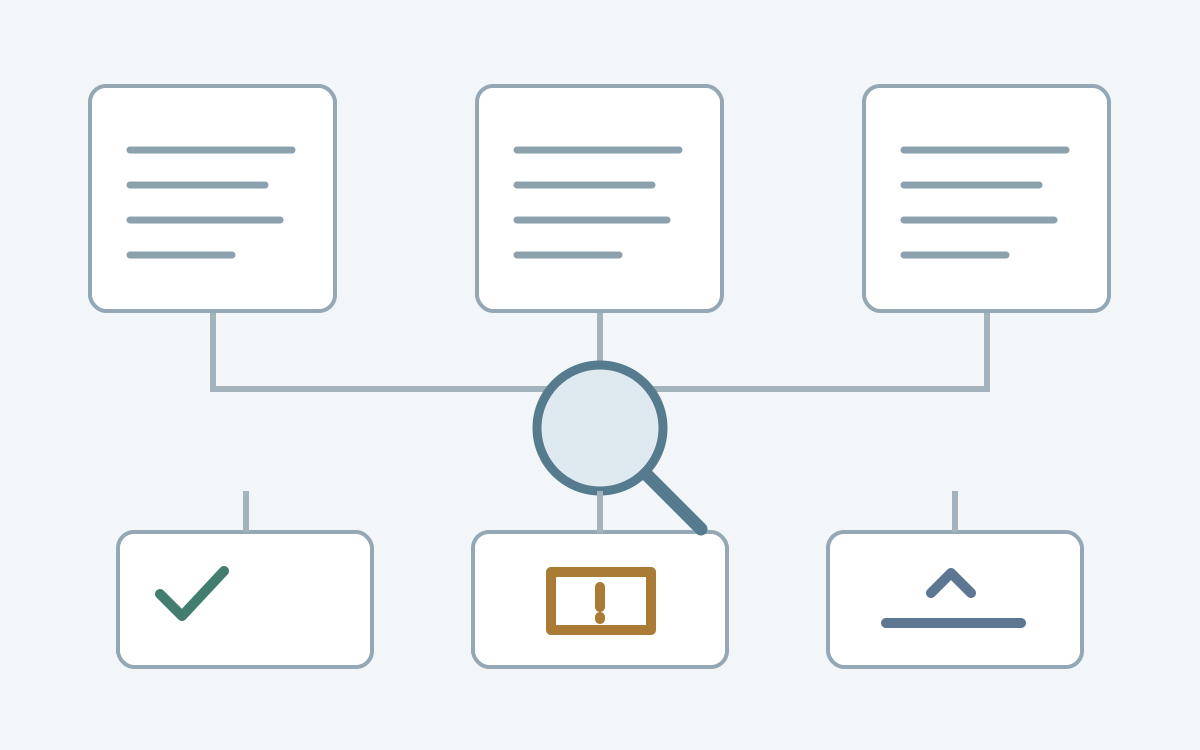
Consider three hypothetical quotations for the same roof: A says “COLORBOND, grey”; B says “ZINCALUME”; C says “painted Galvalume, equivalent.” None contains enough information for a like-for-like material decision, even if all three offer the same nominal panel thickness and profile.
For A, ask for the named product variant, colour/finish code, substrate specification and supporting documents. For B, first establish producer, market and generation, then whether the price includes the required final finish. For C, identify both metallic-coated substrate and paint system, and ask exactly which requirements the proposed substitution claims to satisfy. “Equivalent” needs a defined reference product and documented comparison.
Now classify each offer as documented against the specified requirements, awaiting information, or a proposed change requiring approval. A missing document belongs in the second group, not automatically in the rejection group. A confirmed difference belongs in the third even when the supplier considers it an upgrade. Obtain revised quotations against the resolved scope before comparing the commercial difference.
Keep panel performance and warranty outside the name
Material equivalence is only one decision. Matching coil identities do not establish matching panel geometry, support spacing, fixing arrangements or roof-system performance. Keep the panel manufacturer’s system documentation alongside the material record and resolve any change in substrate or profile through the responsible project designer.
Also identify who provides each warranty and what it covers: substrate corrosion, painted appearance, fabrication and installation are different obligations. Ask for the terms applicable to the specific product, destination and project, rather than carrying over a headline term from another market. Do not use a warranty duration as a predicted service life.
Exposure restrictions require their own check. For marine locations, use the coastal roofing selection guide rather than treating any of these names as blanket coastal approval. This article does not supply universal lifetime, wind, hail or corrosion rankings.
Close the substitution before ordering
Attach the accepted product-identity record and document revisions to the order. State which substitutions need written approval, who can approve them, and which evidence the delivery must carry. Retain the agreed colour/finish sample reference separately from the technical material specification.
At receipt, compare the delivery description and traceability identifiers with the accepted record. Refer unresolved identity changes to the supplier before the material is installed; photographs of a similar surface cannot close a documentary gap. Keep a copy of the accepted evidence for later repairs, when the same trade name may refer to a different generation.
Sources and scope of verification distinguish current product descriptions from the project-specific evidence still required for procurement.